
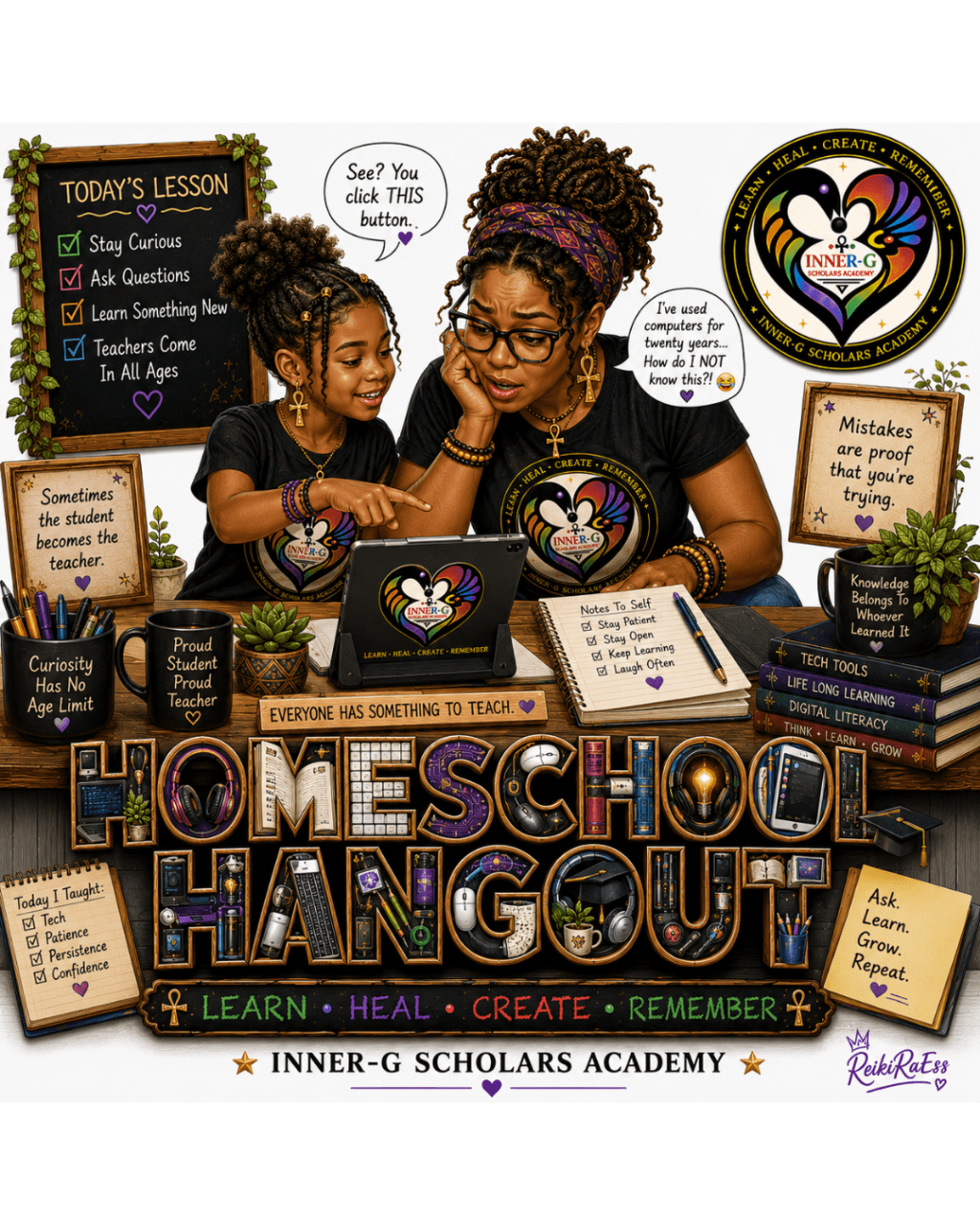
A simple “Yes.” turned into one of the most layered homeschool conversations I’ve seen in a while.
What fascinated me most wasn’t the people fully for AI or fully against it.
It was the parents saying:
“I want my children to recognize it.”
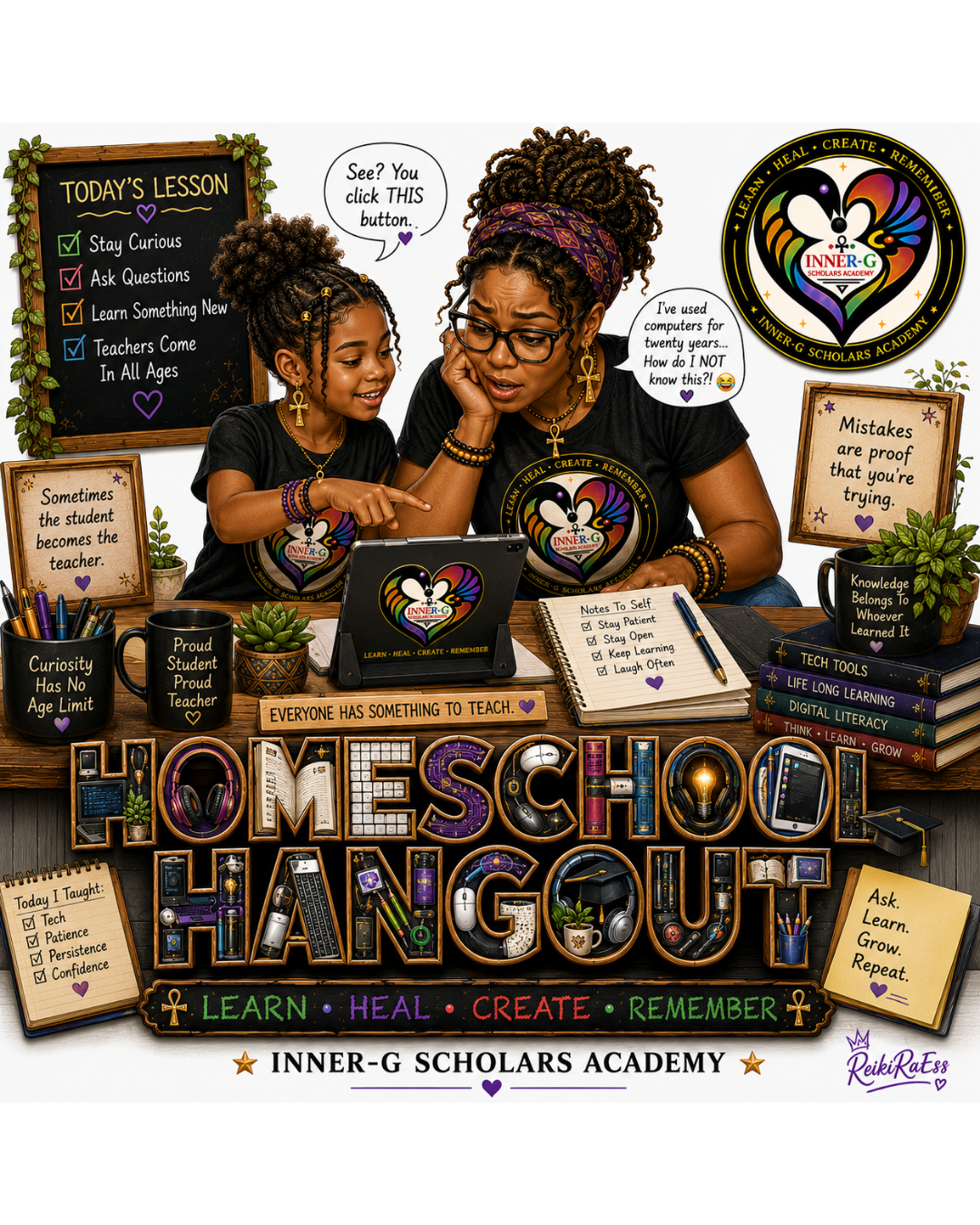
That part stayed with me.
Because honestly? We are entering an era where discernment may become more valuable than memorization.
My 16-year-old can usually spot AI images, AI writing, and weird synthetic content almost immediately. My son still struggles with that. Willow mostly observes quietly like a tiny anthropologist studying the collapse and evolution of civilization at the same time 🦜😭
And maybe that’s the real conversation.
Not:
“Should children use AI?”
But:
“Can they recognize manipulation, misinformation, artificial influence, and synthetic reality when they see it?”
That’s a very different skill set.
As homeschool parents, many of us already teach:
📖 critical thinking
🔍 research skills
🧠 independent thought
🎨 creativity
🌱 hands-on learning
🗣️ communication
⚖️ discernment
AI doesn’t remove the need for those things.
If anything, it increases the need for them.
Because now children must learn:
• what is real
• what is generated
• what is persuasive but inaccurate
• what sounds intelligent but lacks wisdom
• what is assistance versus dependency
Some parents compared AI to calculators, computers, or the internet. I understand that perspective completely.
But calculators never generated fake humans, fake voices, fake articles, fake memories, fake photographs, fake authority, and fake emotional intimacy at scale. Humanity really said, “What if we automated uncertainty?” and sprinted directly into the fog with WiFi. Incredible species behavior 😭
Still…
avoiding AI completely probably won’t prepare children for the world they’re entering either.
So for me, the answer is balance.
Teach children how to think BEFORE teaching them how to outsource thinking.
Teach them how to research BEFORE accepting summaries.
Teach them how to create BEFORE prompting machines to create for them.
Teach them how to sit with silence, boredom, imagination, nature, books, mistakes, and problem-solving.
Then introduce AI as a tool.
Not a replacement for their intuition, intelligence, or humanity. ☥🧿✨
The responses about libraries, philosophy, rhetoric, outdoor play, and natural intelligence honestly gave me hope. People are still thinking deeply about what it means to raise humans instead of just efficient consumers.
And that matters more than ever.
Inner-G Scholars Academy teaches observation before automation. This is our curriculum philosophy. Children learn to see, question, test, create, and think first. The machine comes later. Humanity keeps inventing faster tools. The challenge has never been building the tool. The challenge has always been keeping the individual sharp enough to use it wisely. ☥✨
~ReikiRaEss @somethingnubian
 Something Nubian
Leave a comment