
Third Eye Thursday
Some dreams feel like quiet whispers. Others arrive like full stage productions, complete with characters, tension, and moments that leave us waking up wondering what just happened.
Dreams have a peculiar way of staging our inner conversations like theater. Characters step onto the scene wearing the familiar faces of family, mentors, authority figures, or even strangers. In those moments, the mind begins acting out emotions and questions we may not fully articulate during the day.
This doesn’t mean dreams are literal predictions. They are much closer to symbolic storytelling. During sleep, the brain processes memories, emotions, and experiences in a way that blends logic with imagination. What appears may feel strange or exaggerated, but the emotional themes are often deeply real.
Sometimes a dream places us in a house that isn’t ours. Sometimes we’re speaking to people from our past or present. Sometimes we find ourselves unexpectedly exposed or vulnerable in front of others. These images may seem random at first, yet they often mirror something unfolding in waking life: a transition, a responsibility, a moment of personal growth.
Dreams also have a fascinating way of bringing different generations into the same scene. Elders may appear as observers or teachers. Children may appear as protectors or reminders of the future. The subconscious mind often uses these figures to explore questions about identity, responsibility, and legacy.
What makes dream reflection powerful is not the search for a single “correct” interpretation. Instead, the value comes from curiosity. When we pause and ask what emotions were present in the dream, what symbols stood out, and what conversations unfolded, we begin to see connections between our inner world and our daily experiences.
Over time, patterns begin to emerge. The same themes may appear in different forms. The same feelings may return until they are acknowledged or understood. Dream journaling allows us to witness this process instead of forgetting it.
That is why I encourage keeping a journal beside the bed. When a dream arrives with vivid images or strong emotions, writing it down preserves the message before it fades into the morning.
Dreams are not puzzles to solve as much as they are mirrors to observe.
Sometimes they show us our fears.
Sometimes they reveal our hopes.
Sometimes they simply remind us that the mind is far more imaginative and wise than we give it credit for.
And occasionally, a dream arrives that feels like a stage play — reminding us that the inner world is always speaking, even when we are asleep.
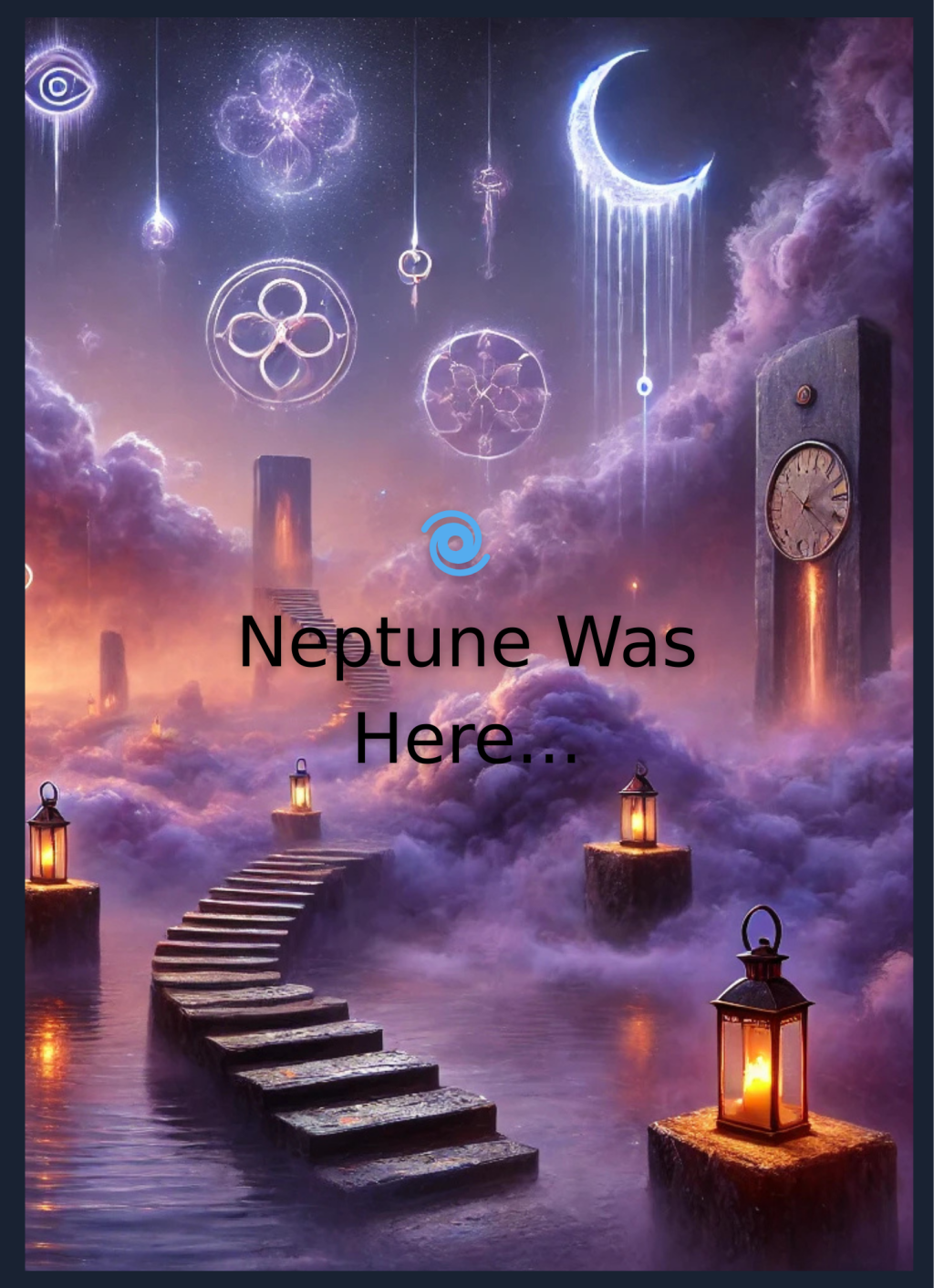
🌀 Neptune Was Here…
Dreams often intensify when the mind is processing change, responsibility, or creative breakthroughs. Neptune, the planetary archetype associated with dreams, imagination, and spiritual insight, is often linked to these vivid inner experiences. When we pay attention to our dreams, we’re engaging with one of the most ancient forms of self-reflection.
✍🏽 Pause & Reflect
Consider writing a few thoughts in your journal:
- What emotions stood out in the dream?
- Were familiar people present, and how did they behave?
- Did any moment feel especially surprising or symbolic?
- How might the dream reflect something unfolding in your waking life?
💭 Your Dream Says…
Dreams don’t always provide answers.
Sometimes they simply open a door to deeper awareness.
The real insight comes not from decoding every symbol, but from noticing what the experience stirred inside you.
Your subconscious may be asking you to pay attention.
With grace, grounded power, and moonlit truth,
La Trecia Doyle-Thaxton
Positive Inner-G Coach | Reiki Master Teacher
Curator of Healing Dreams & Moon Magic
 Something Nubian
Leave a comment