
By La Trecia Doyle-Thaxton
keywords: New Moon, Solar Eclipse, Friday the 13th, superstitious, myths, phenomena, beliefs, Misunderstood, cultures , paraskevidekatriaphobia, irrational, historical, alignment, celestial, occurrences, intentions, embrace, wonder, universe
Are you superstitious? Do you brace yourself every time Friday the 13th rolls around or feel a sense of unease during a solar eclipse or new moon? If so, you’re not alone. These celestial occurrences have been shrouded in myths and misconceptions for centuries. Today, we’ll unravel the truth behind these fascinating phenomena.
Friday the 13th: Unlucky or Misunderstood?
Misconception: Friday the 13th is universally unlucky and should be feared.
Correction: The fear of Friday the 13th, known as paraskevidekatriaphobia, is largely irrational and stems from various historical superstitions. In reality, this day is no different from any other day of the week.
Friday the 13th myths can be traced back to Norse mythology and Christian beliefs. In Norse legends, it was said that 12 gods were having a banquet when Loki, the trickster god, crashed the party, making the gathering 13. This was seen as an ill omen. Similarly, Christian tradition associates 13 with the Last Supper, where there were 13 individuals present, including Judas Iscariot, who betrayed Jesus.
To correct this misconception, consider embracing Friday the 13th as a day for personal empowerment and self-reflection. Engage in activities that make you feel positive and in control, rather than feeding into irrational fears.

Solar Eclipses: Portents of Doom?
Misconception: Solar eclipses are bad omens, signaling doom and destruction.
Correction: Solar eclipses are awe-inspiring celestial events caused by the moon passing between the Earth and the sun. They are not omens of disaster but rather natural phenomena.
Many ancient cultures viewed solar eclipses with fear and interpreted them as a sign of impending catastrophe. However, science has provided us with a comprehensive understanding of these events. Eclipses are predictable and follow a specific pattern, making them purely natural occurrences.
To correct this misconception, educate yourself about solar eclipses. Watch them safely using proper eye protection or through live broadcasts. Recognize the beauty of this celestial alignment rather than fearing it.
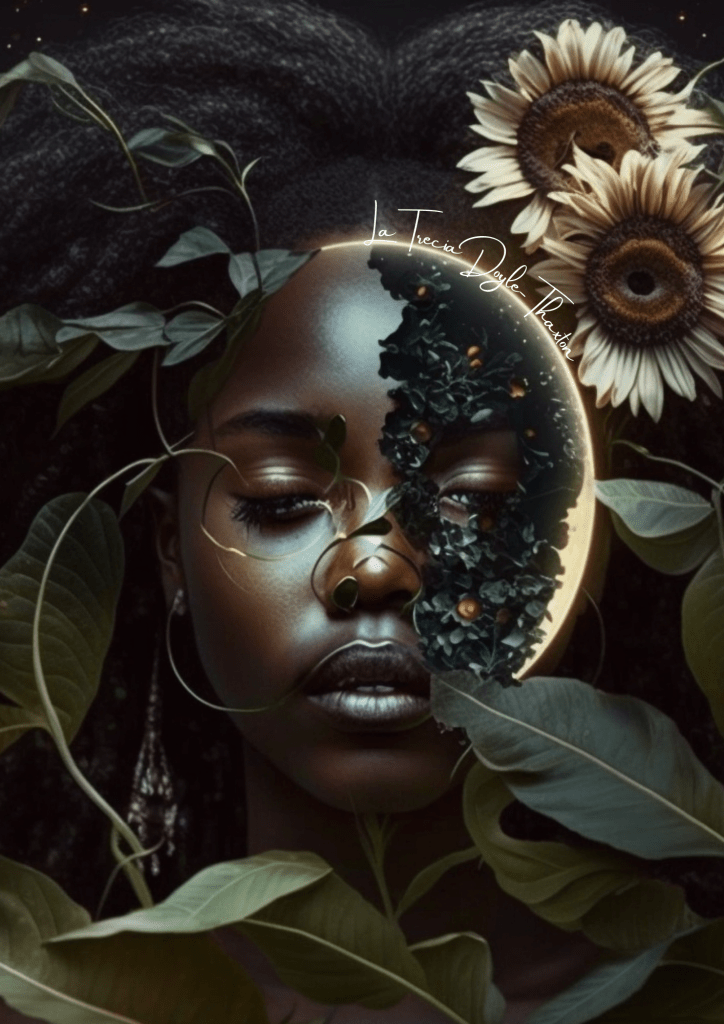
New Moons: A Time of Darkness?
Misconception: New moons are associated with negativity and are best avoided.
Correction: New moons mark the beginning of the lunar cycle when the moon is not visible in the night sky. They symbolize new beginnings, growth, and transformation.
The misconception surrounding new moons might stem from their absence in the night sky, leading some to associate them with darkness. However, this period is an excellent time for setting intentions and manifesting your desires. New moons offer a clean slate and an opportunity for personal renewal.
To correct this misconception, embrace new moons as a time for introspection and goal-setting. Engage in practices like meditation, journaling, and visualization to harness their energy for personal growth and manifestation.

In conclusion, it’s essential to separate fact from fiction when it comes to Friday the 13th, solar eclipses, and new moons. These celestial events are neither omens of doom nor times to be feared. Instead, they offer unique opportunities for personal growth, reflection, and transformation.
So, the next time you encounter Friday the 13th, a solar eclipse, or a new moon, remember the corrected perspectives and approach them with a sense of wonder and positivity. Embrace the beauty of these celestial phenomena and use them as tools for your personal empowerment and growth.
Let go of superstitions and embrace the beauty and wonder of the universe, for in understanding, we find wisdom and empowerment.
Happy Friday the 13th, Solar Eclipse and New Moon in Libra
Sending positive energy
 Something Nubian
Leave a comment