
Keywords: education, kaftan, caftan, moo-moo, mu’umu’u, college, culture, non-whites, economics, education, entertainment, labor, law, politics, religion, sex, war, activity, ancestors, Reiki, practice, fashion, celebrate, wedding, royalty, chakras
By LaTrecia
Prior to the ancestors’ transition, Frances Cress-Welsing wrote her college thesis on Neeley Fuller’s theory that non-whites are controlled by the 9 areas of people activity (economics, education, entertainment, labor, law, politics, religion, sex, and war)
This information made me look at many things from a different perspective, but I could not shake the number 9 and how significant numerology is. For how our hair patterns are infinite of 9s, which symbolizes wisdom, self-awareness, life experience, compassion, success, forgiveness, luck, spirituality, and the zodiac Sagittarius.
My fascination with numbers curated some of the bases for homeschooling, although there are seven days in a week and chakra colors, we learn 4 days a week at 4 hours a day, all while wearing a kaftan, acknowledging Cress-Welsing’s teachings as she is a child psychologist and I want our children to see things based on a worldly perception, globally we are misunderstood.
Kaftans are misunderstood and also called moo-moos, by those less educated on what the difference is, and to some reference them for those who chose to disrespect either of its origins and see them as something only “fat” people wear.
The correct spelling and pronunciation is actually “mu’umu’u” which means cut off in Hawaiian and literally is a short dress that can be worn formally and informal, fitting all women short, tall, thin, or curvy. Whereas kaftans are long with a deep open neck associated with early civilization.
My grandmother called her “mu’umu’u” a dressing gown, and we all knew that when she came out of her slip and bra, to put it on she was in for the night. I am willing to bet that she wore this before she gave birth to seven children in the first five years of marriage to my grandfather. Or maybe like me, she wore it to nurse, I found this to be so much easier to function in, rather than to pay extra money for comfort nursing, cooking, and cleaning. Now respectfully, I’ve never worn it outside, but I have worn a kaftan outside. I was married in one
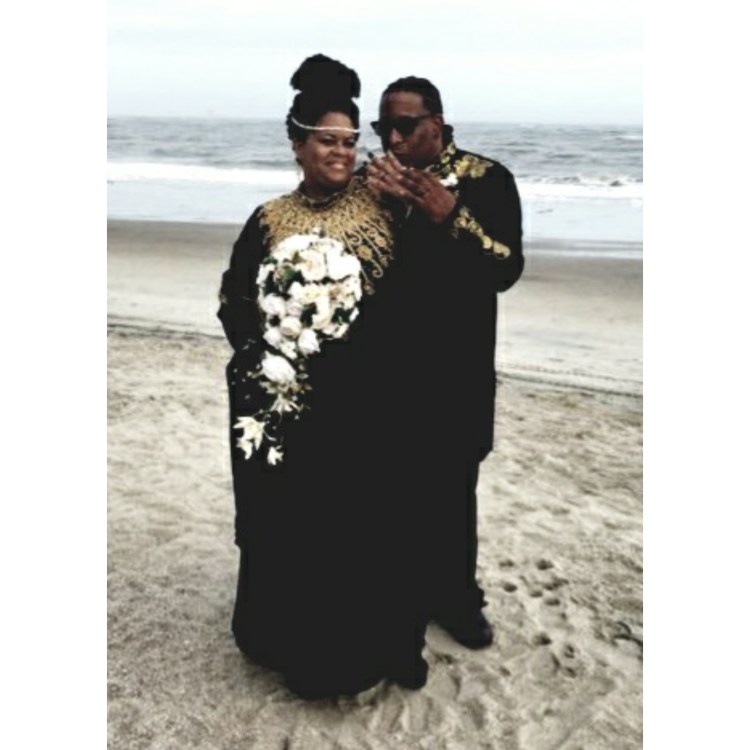
December 2020
Kaftans can be worn by anyone, but on my wedding day, I felt like royalty when I wear it at home, it is multipurpose and good enough for teaching, cooking, cleaning, meditating, lounging, online calls, and sitting on the porch outside, which brings me to the other reasons to wear them:
REASONS TO WEAR KAFTANS BASED ON THE 9 AREAS OF PEOPLE ACTIVITIES
- Economics: Kaftans are often more cost-effective than elaborate clothing choices, especially in regions where they are traditionally worn. Their loose and simple design allows for efficient production and lower material costs, making them accessible to people from different economic backgrounds.
- Education: In educational settings, wearing kaftans can promote cultural awareness and appreciation. Encouraging students to learn about different clothing traditions and their significance can foster a more inclusive and diverse learning environment.
- Entertainment: Kaftans can be a fashionable and comfortable choice for various social events and gatherings. Their versatility allows people to dress up or down as needed, making them suitable attire for parties, weddings, or cultural celebrations.
- Labor: In industries where comfort and mobility are essential, such as agriculture and construction, wearing kaftans can provide workers with practical and breathable clothing, reducing the risk of heat-related illnesses and increasing productivity.
- Law: In some regions, wearing traditional clothing like kaftans is protected by law as an expression of cultural identity and heritage. Such legal protection ensures that individuals are free to wear their cultural attire without facing discrimination or prejudice.
- Politics: In the realm of politics, wearing kaftans can be a symbol of solidarity and support for cultural preservation and diversity. Politicians donning kaftans during official events or international meetings can showcase their commitment to cultural understanding and inclusivity.
- Religion: In various religious contexts, kaftans are worn as a form of modest and respectful attire. Embracing this clothing choice can reflect an individual’s commitment to their faith and cultural practices.
- Sex: Kaftans are inherently unisex, allowing people of all genders to wear them comfortably. Promoting gender-neutral clothing choices like kaftans can challenge traditional gender norms and foster a more inclusive and open-minded society.
- War: In regions affected by conflict, wearing kaftans can serve as a symbol of resilience and pride in cultural heritage. During difficult times, maintaining traditional clothing practices can help preserve a sense of identity and unity within communities.
I won’t lie, it was hurtful when I heard others say certain things about how my dresses, as I felt they spoke to me through my grandmother, I feel like royalty, and as if I was honoring my ancestors.
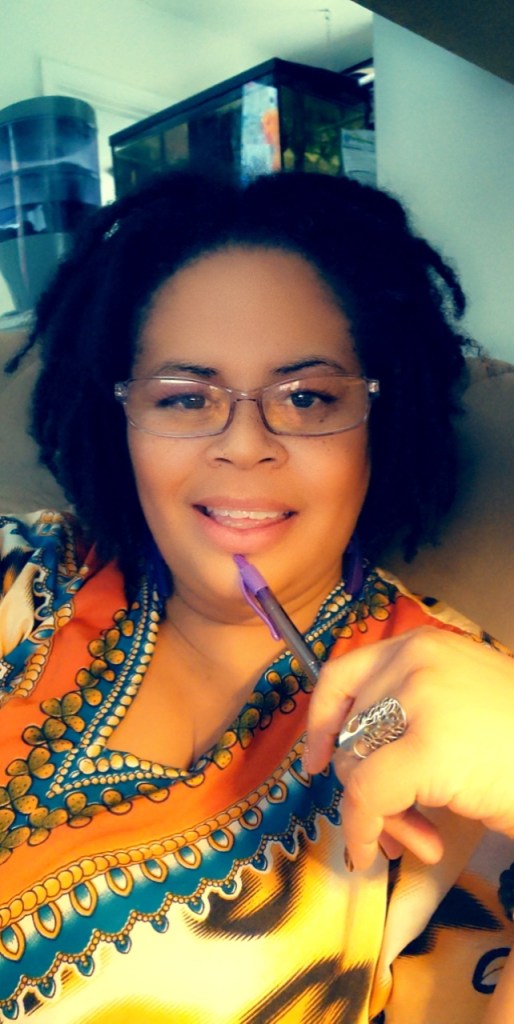
Once, I became certified in Reiki, I realized it was the best attire and it was more comfortable to wear practicing on myself and others. It does not make me feel like I must pull or tug on it. I can move about, and the colors are vibrant, works with chakra colors, improving my mood.
I don’t push my children to wear kaftans but I let them know how multi-purposeful they are so they won’t be miseducated on who can or when to wear them. We learn together how cultures function, not just in what they eat, but in all nine areas of activity, all while I’m wearing different kaftans every day.
 Something Nubian
Leave a comment